
Nine Hundred Years of Unbroken Family History - Shrine Shah Gardez
- Irtabat Nasir
- Dec 16, 2021
- 5 min read
Once that you're here, tread slowly for the angels might be paying obeisance therein.

Having remained a gateway to Sufi presences in the subcontinent for as long as be, Multan has had a lot to host. Amongst the crowded lanes of the inner walled city, lies the final resting place of Hazrat Syed Abul-Fazl Jamal-ud-din Shah Muhammad Yusuf Gardez who also happens to be the first ever saint to set foot over the ancient and frequently ruined plains of Multan. Commonly known as Yusuf Shah in the region, his shrine goes to be known as ‘Shah Gardez.’
Born in Afghanistan in 450AH, Yusuf Shah travelled to Multan as per the directives of his father, Shah Ali Kasswer. Today, centuries later, his shrine stands right where he first settled in, with his children residing all around. The Gardezi Clan, one of the largest of the city, go by the name owing to their place of origin – Gardez, Afghanistan. The locality of the shrine is now known as ‘Muhallah Shah Gardez’, all occupied by the family itself.
A series of narrow alleys and short turns, lands one in front of a rectangular, blue-tiled ‘room’ wherein lies the grave. This very shape of the shrine is what sets it apart from the rest across the city. ‘The tomb is cased in blue tiles, dating from the reign of the Mughal Emperor Humayun’, says the current head (Makhdum) of the family. ‘In the very courtyard, a set of marks direct towards the graves of the saint’s lion and snake that accompanied him from Afghanistan. He also had a pair of pigeons shadowing him.’
Interestingly enough, each successor to the custodianship of the shrine is alternatively called ‘Yusuf Shah’ and ‘Raju Shah.’ The current custodian of the shrine is Syed Roshan Ali Gardezi who also goes by the title ‘Yusuf Gardezi’, as per the aforementioned familial rule. The former Raju Shah passed away in 2020, after having headed the family for a total of 69 years.
Unlike other shrines spread across the city, the walls of Shah Gardez are not seen begging people for money. As said by Shakir Hussain Shakir in his book ‘Shah Yusuf Gardez’, ‘Contributions in the name of God and the Prophet are not accepted here and this is what sets the shrine apart from the rest.’ It also is not under the Auqaf Department and hence no green boxes are displayed over the entrance, urging the visitors to pool in before they even set foot in the compounds of the shrine.
Pigeons are what form another essential component of the sanctuary. They’re seen hovering all around, poking in and out, as if the tomb was built entirely for their benefit. The progeny of both Yusuf Shah and the pigeons that accompanied him to Multan, happen to co-exist today on the same grounds, with the pigeons now residing on the rooftops of the Gardezi homes. Visitors of the shrine stop by to feed them.
‘We have houses herein that date back to as long as be’, said the Makhdum’s wife. ‘The other day, during a reconstruction activity, they dug in so deep, ending up discovering a whole underground Mandir. This just pretty much explains how anciently the Gardezis have been thriving onto the very area and have managed to co-exist with communities no matter which.’
Nine hundred years in fact, is a lifetime to think of. Rightly said that the compounds of the Shah Gardez Shrine have a lot to talk of, be it on religious grounds or else, historical. No matter the numerous domes that peak over all parts of the city, it is this dome-less sanctuary that has roots deeply entangled with art and culture. An architectural masterpiece on the show, one look at it and you’re bound to keep looking. Love at first sight.

The entire courtyard surrounding the shrine, is lined with the graves of Gardezis buried therein over ages. The white-tiled pathway leading to the Hujra of Yusuf Shah also has marked the burial sites of his lion and snake.

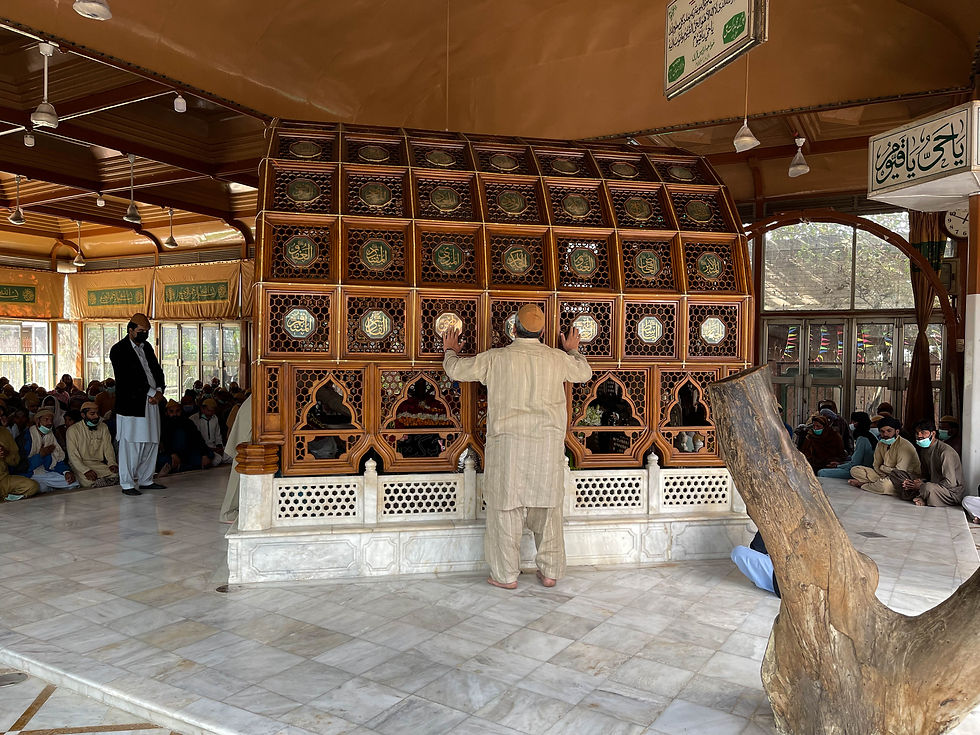
Colors, textures and details are something noted very prominently, once inside the saint's sanctuary. Structured completely using blue and white glazed tiles, one is compelled to recite the Quranic Ayaats and Durood Shareef engraved over the entrance.

Imagine who knew the beauty and the grandeur of Shrine Shah Gardez until someone stood in front of it? Who noticed all its details before someone touched that cold surface and found glazed tiles and sheesham at their fingertips?
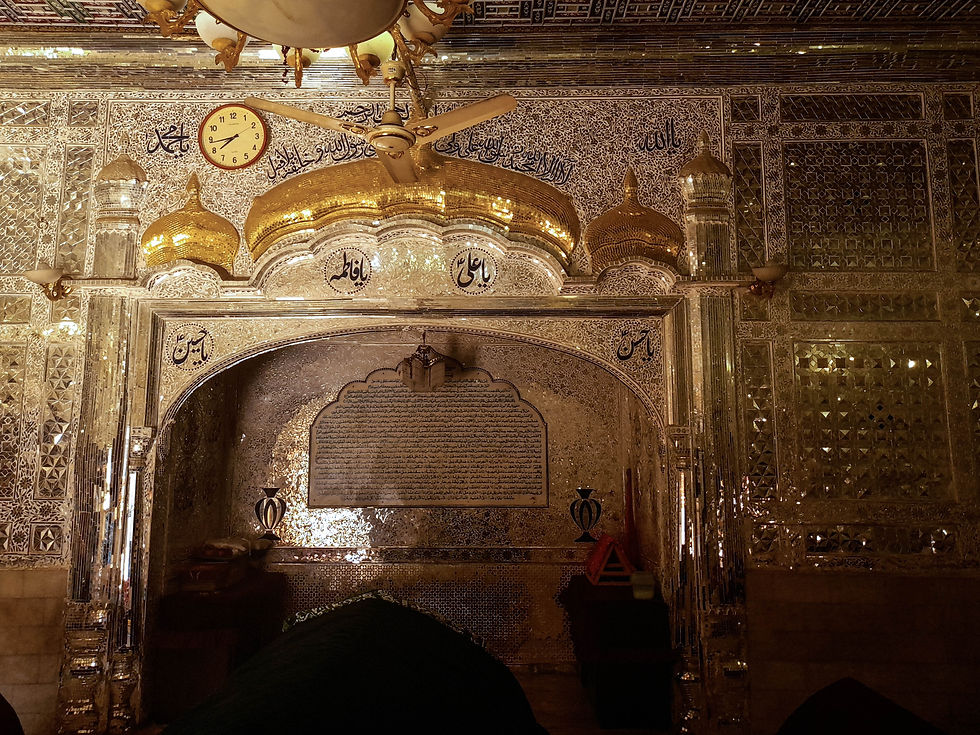
The Hujra holds the burial sites of Yusuf Shah, his sons and a few other descendants. With the Kalma inscribed over the top, the names of Panjatan follow suit. Underneath the dome like structure, are shelves hosting the Qur'an, other Islamic books and a Shabeeh Jhoola.
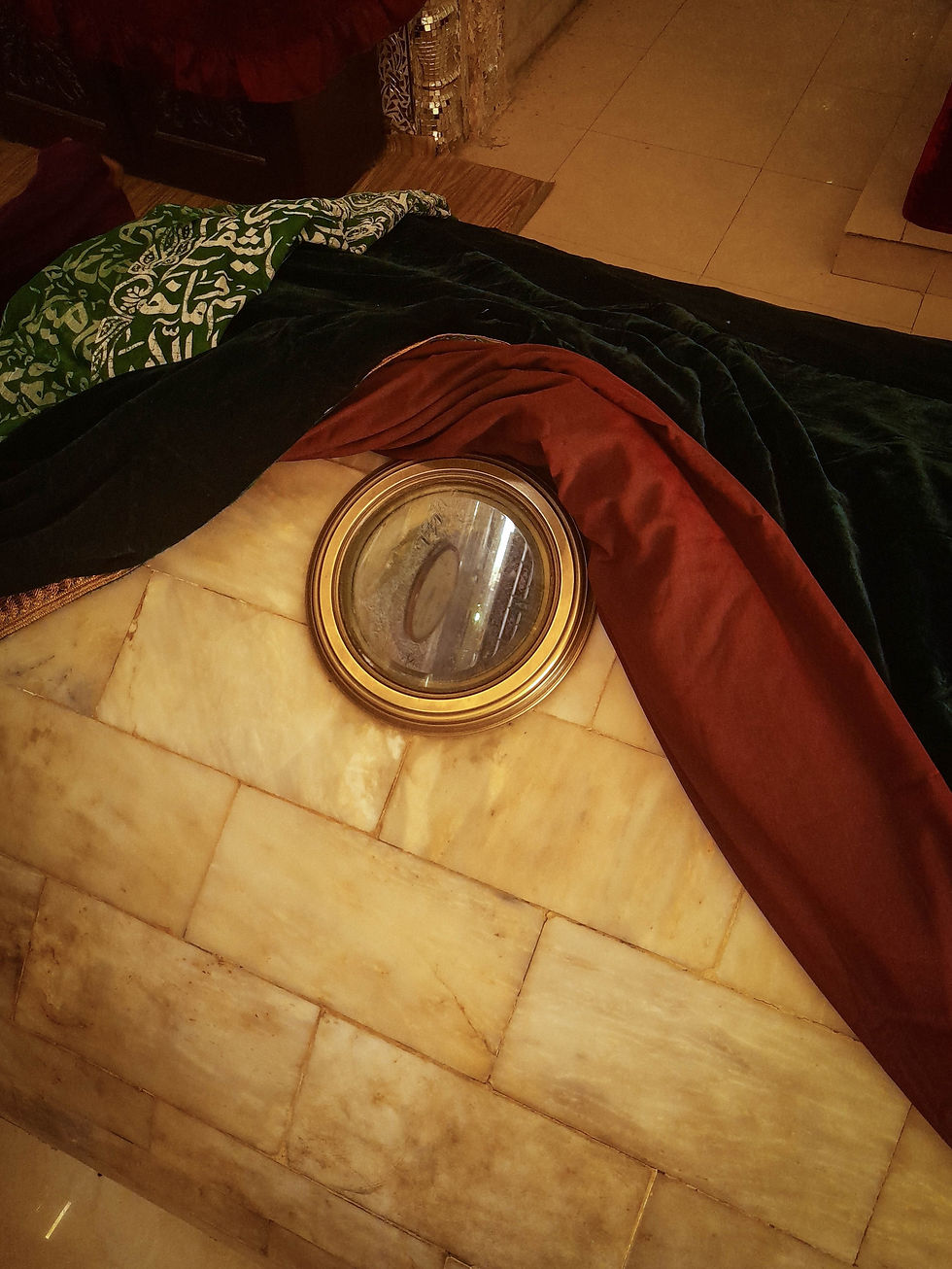
The point on the grave of Shah Yusuf, where from his devotees would pay homage to him, after his death. The hole now covered in glass, is yet a focal point of attraction for visitors wanting to know more about the miracles associated with the saint.

First built in 1887, Imambargah Shah Yusuf Gardez has a total covered area of 50 x 70 feet. The enameled woodwork ceilings and huge gates, are a witness to Majalis all year round, with special preparations done therein for the month of Muharram.

The back of the shrine hosts yet another religiously important spot – the footprint of Hazrat Ali. ‘Yusuf Shah brought it alongside himself when he moved from Gardez. Dozens of people yet come to pay homage to it on a daily basis’, added the Makhdum.

A mosque tends to stand right in front of the sanctuary. In quoting the words of late Hassan Nawaz Gardezi, ‘It is said to be made on the orders of Sher Shah Suri.’ The woodwork owing to be as ancient as the mosque itself, was recently renovated and replicated in the exact original style. Painted carvings on top, are indeed one of a kind.
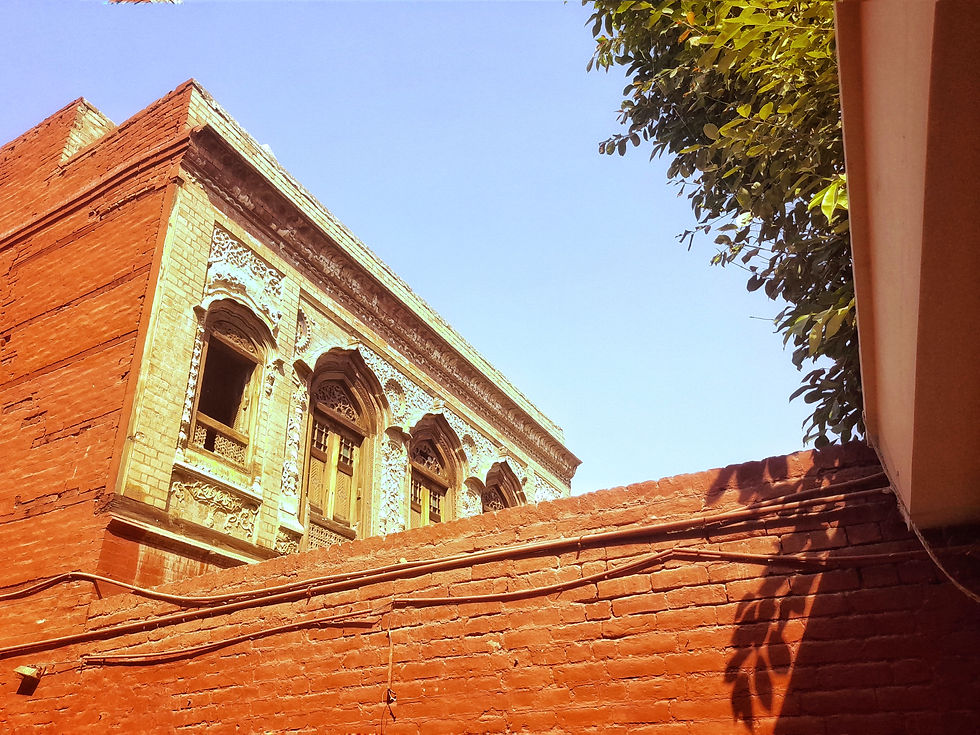
Muhallah Shah Gardez is a locality consisting of narrow alleys that host the ancestral homes of the Gardezis. With the majority of them now having re-located elsewhere, tend to return herein to commemorate Majalis in Muharram or else celebrate family events.

The Makhdum House is home to the direct descendants of Yusuf Shah, who also happen to be the caretakers of the shrine. 'We've lived here all our lives and even if everyone relocates, we'd yet choose to stay herein owing to us being the head of the entire clan', said the Makhdum's wife. 'Oh and these pillars you see? They were brought from Agra, back then to be installed where they are.'

Upon passing of the former, the coronation of the next Sajjadanasheen of the shrine is considered a grand event, also involving an entire family photograph. Raju Shah commemorated his 50th year of headship in 2001, before leaving behind the position for his son to be crowned in 2020.
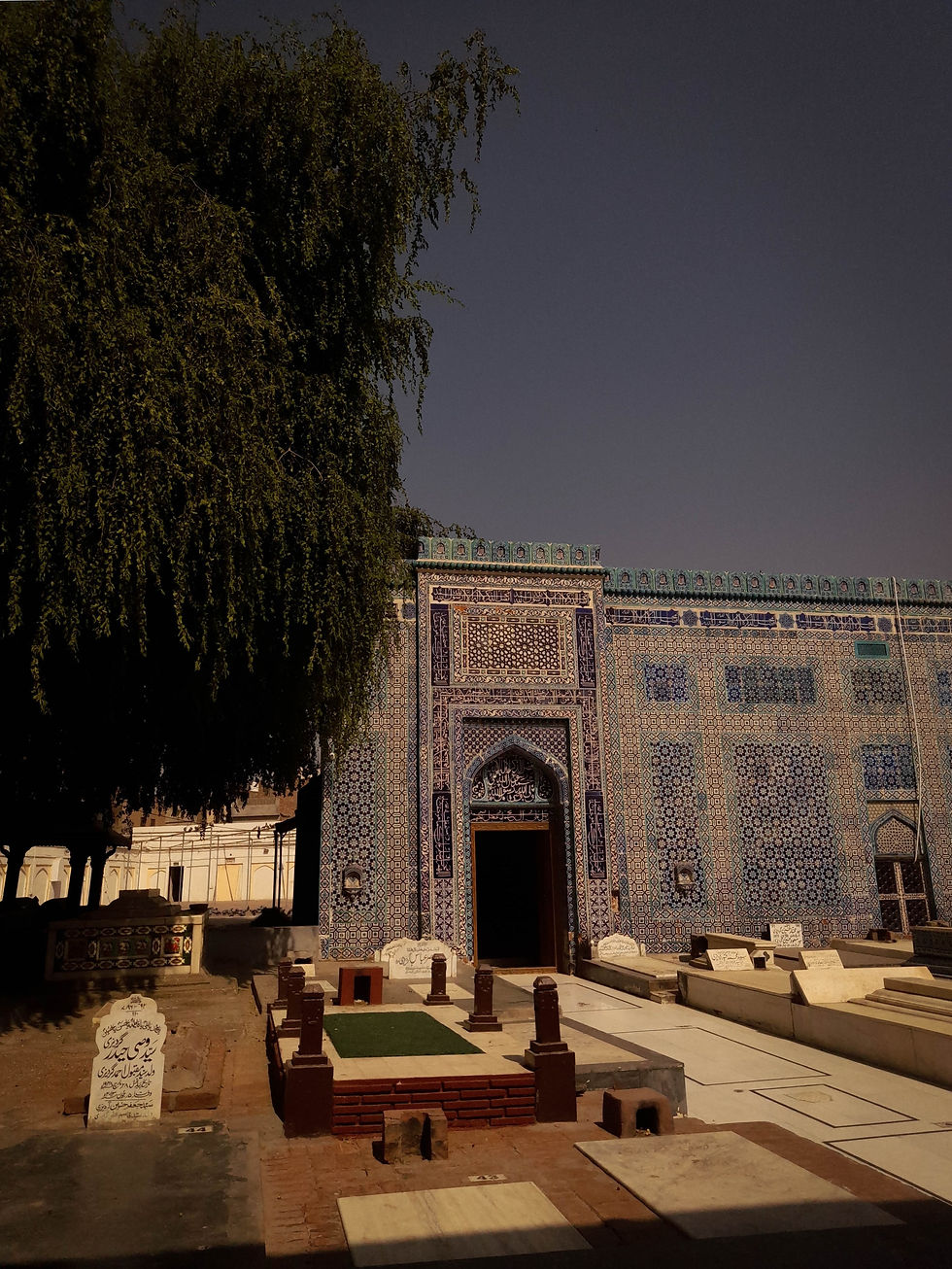
Boasting off a nine hundred year old unbroken family history, this one-of-a-kind architectural masterpiece stands proud right in the heart of the city of Multan. Once that you're here, tread slowly for the angels might be paying obeisance therein.


Comments